For small and medium-sized businesses, competing with massive national brands can feel like an uphill battle. Massive corporations have millions of dollars to spend on sweeping digital marketing campaigns. However, local businesses possess a distinct advantage that money cannot always buy: proximity and community relevance. This is where Local Search Engine Optimization (SEO) becomes the ultimate equalizer.
Local SEO is the practice of optimizing your online presence to attract business from relevant local searches. When someone searches for “coffee shop near me” or “plumber in Austin,” search engines work to deliver the most accurate, nearby results. The best part is that mastering local SEO does not require a massive marketing budget. By investing your time and focusing on the right foundational strategies, you can dominate local search results and drive a steady stream of customers through your doors.
The Foundation of Local Search: Google Business Profile
Your absolute first step in a budget-friendly local SEO strategy costs exactly zero dollars. Claiming and optimizing your Google Business Profile (formerly Google My Business) is the single most impactful action you can take. This free tool allows you to manage how your business appears on Google Search and Google Maps.
Claim and Verify Your Listing
To begin, visit the Google Business Profile platform and search for your business. If it already exists, you can claim ownership. If it does not, you will need to create a new listing. Google will require you to verify your business, typically through a phone call, text message, or a physical postcard sent to your address. Do not skip this step, as unverified profiles rarely rank well in local search results.
Provide Complete and Accurate Information
Search engines prioritize businesses that offer complete details. Ensure that every field in your profile is filled out accurately. This includes your business name, address, phone number, website URL, hours of operation, and service areas.
Choose the Right Categories
Select the primary category that most accurately describes your core business. If you run an Italian restaurant, do not just choose “Restaurant.” Select “Italian Restaurant.” You can also add secondary categories to capture additional search volume, such as “Catering Service” or “Pizza Delivery.”
Write a Compelling Business Description
You have 750 characters to tell potential customers who you are and what you do. Use this space to highlight your unique selling proposition. Incorporate a few relevant local keywords naturally, but avoid stuffing the description with a laundry list of cities and services. Focus on readability and value.
Mastering the Power of Online Reviews
Online reviews are a critical ranking factor for local SEO. Search engines want to recommend businesses that customers trust. Furthermore, reviews act as powerful social proof, directly influencing a consumer’s decision to choose you over a competitor.
Establish a Systematic Review Generation Process
You do not need expensive software to collect reviews. Train your staff to ask for feedback at the point of sale or after a service is successfully completed. Send a follow-up email or text message with a direct link to your Google Business Profile review section. The key is to make the process as frictionless as possible for the customer.
Respond to Every Single Review
Whether a review is glowing or highly critical, you must respond to it. Prompt responses show search engines that you are an active, engaged business owner. When responding to positive reviews, express genuine gratitude and subtly mention the service or product they enjoyed.
When handling negative reviews, remain professional, polite, and objective. Acknowledge the customer’s frustration, offer a brief apology, and invite them to move the conversation offline via email or phone to resolve the issue. Potential customers will judge your business based on how you handle adversity.
On-Page Optimization for Local Relevance
Your website needs to clearly signal to search engines exactly where you operate and what you offer. On-page SEO requires time and strategic writing, making it a highly cost-effective tactic.
Standardize Your NAP Consistency
NAP stands for Name, Address, and Phone number. Your NAP must be identically formatted across your website, your Google Business Profile, and every other online directory. If your website says “123 Main Street,” do not write “123 Main St.” on your Facebook page. Inconsistencies confuse search engine crawlers and can degrade your local ranking signals. Place your NAP clearly in the footer or header of your website so it appears on every page.
Optimize Title Tags and Meta Descriptions
Every page on your website should have a unique title tag and meta description that includes local modifiers. For example, instead of a title tag like “Residential Plumbing Services,” use “Residential Plumbing Services in Phoenix, AZ.” Keep your title tags under 60 characters and meta descriptions under 160 characters to ensure they display properly in search engine results pages.
Create Localized Content
Content marketing is an excellent way to build local authority without spending money. Write blog posts about local events, community sponsorships, or industry-specific advice tailored to your climate and geography. If you are a landscaping company in New England, write an article about “How to Prepare Your Lawn for a Massachusetts Winter.” This establishes your business as a local expert.
Building Free Local Citations
A local citation is any online mention of your business name, address, and phone number. Beyond Google Business Profile, there are dozens of free platforms where you should list your business to build a robust citation profile.
Leverage Major Platforms
Ensure your business is listed on major platforms like Apple Maps, Bing Places, Yelp, and Facebook. These platforms have massive domain authority, meaning their listings often rank high in search results, giving your business additional digital real estate.
Explore Hyper-Local and Niche Directories
Look for local chambers of commerce, neighborhood business associations, and city-specific directories. Additionally, seek out niche-specific directories. For instance, a contractor should be on Angi or HomeAdvisor, while a lawyer should have a profile on Avvo. Search engines view these specialized citations as strong validations of your business relevance.
Visual Assets and User Experience
High-quality visuals and a seamless website experience keep visitors on your site longer, which signals value to search engines.
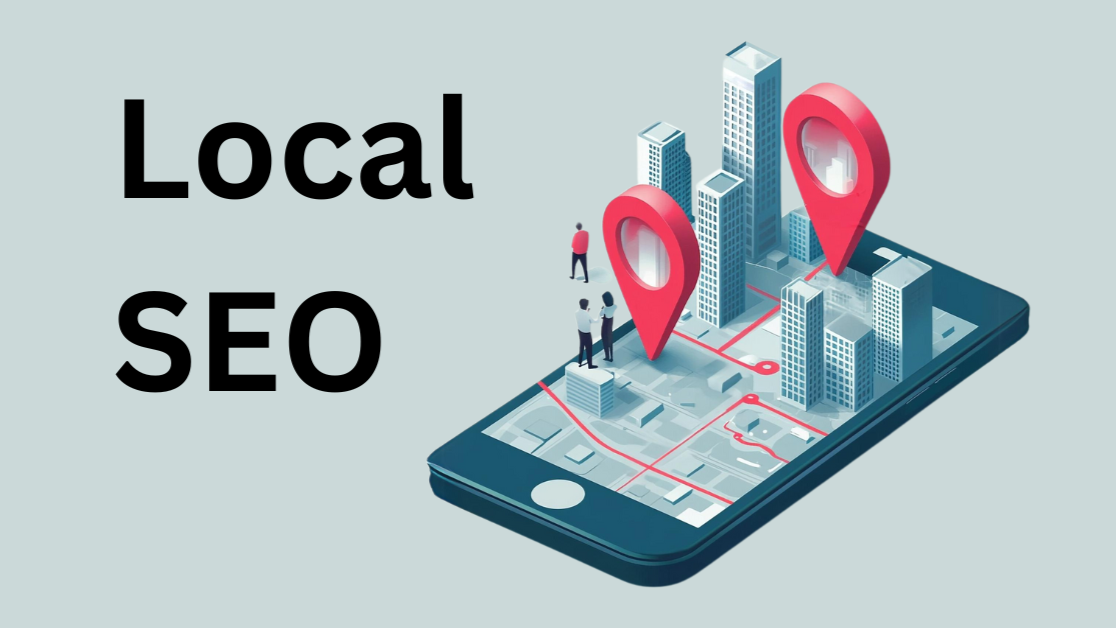
Below is an image showcasing how a well-structured, mobile-friendly website contributes to local search success and customer conversion.
Optimize for Mobile Devices
The vast majority of local searches happen on mobile devices while users are on the move. If your website is slow to load, difficult to navigate, or requires pinching and zooming to read text, users will immediately leave. Use free tools like Google PageSpeed Insights to check your site performance and implement basic fixes like compressing images and leveraging browser caching.
Strategic Link Building on a Budget
Backlinks, which are links from other websites to yours, act as votes of confidence in the eyes of search engines. While corporate brands spend thousands on link-building agencies, local businesses can acquire powerful links through community relationships.
Sponsor Local Organizations and Events
Look for youth sports teams, charity events, or community theaters that need small sponsorships. Often, a small contribution of a few hundred dollars, or even a donation of your services, will earn you a high-quality backlink from their official website’s sponsor page.
Network with Complementary Businesses
Build relationships with non-competitive businesses in your area. If you are a wedding photographer, partner with a local florist, a bridal boutique, and a catering company. You can write guest blog posts for each other or create a “Recommended Local Vendors” page on your respective websites, exchanging highly relevant local links.
Frequently Asked Questions
How long does it take to see results from a local SEO campaign?
Local SEO is a long-term strategy rather than an overnight fix. For a brand-new business or website, it typically takes anywhere from three to six months of consistent optimization, citation building, and review acquisition to see significant improvements in local search rankings. Established businesses that are simply correcting existing errors or optimizing a dormant Google Business Profile can sometimes see positive shifts in visibility within a few weeks.
Can I do local SEO if my business does not have a physical storefront?
Yes, you can absolutely utilize local SEO if you operate a service-area business. Companies like plumbers, electricians, mobile pet groomers, and cleaning services do not serve customers at a physical shop. When setting up your Google Business Profile, you can choose to hide your home or office address and instead specify the geographic radius, cities, or zip codes that you serve.
Does changing my business name to include keywords help me rank better?
While adding keywords to your business name can technically provide a temporary boost in search rankings, it violates Google Business Profile guidelines unless that keyword is part of your legally registered business name. Intentionally stuffing keywords into your profile name can result in your listing being suspended, which erases all your progress. Stick to your actual, legal business name.
What is the local map pack and why does it matter?
The local map pack is the prominent section displayed at the very top of Google search results when a user makes a query with local intent. It displays a map alongside a list of three prominent local businesses, complete with their ratings, addresses, operating hours, and contact links. Securing a spot in this top three is highly valuable because it captures the majority of user clicks before they ever scroll down to the standard organic search results.
How often should I post updates on my Google Business Profile?
You should aim to treat your Google Business Profile similarly to a social media channel by publishing updates at least once a week. You can share short posts about special promotions, new product arrivals, upcoming events, or helpful industry tips. Consistent posting signals to search engines that your business is actively operating and providing fresh information to consumers.
Do social media profiles impact my local SEO performance?
Social media profiles do not directly pass link equity or act as a direct ranking factor for your website. However, they impact your local SEO indirectly. Social profiles frequently rank on the first page of search results for branded searches, giving you control over what potential customers see. Furthermore, active social media profiles drive traffic to your website and increase brand awareness, which leads to an increase in direct local search volume.