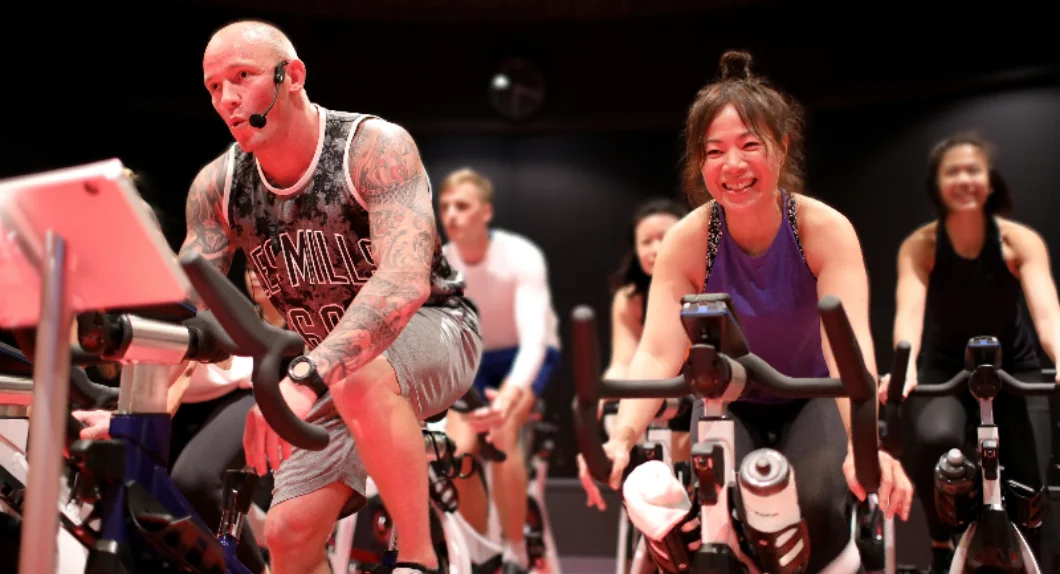
The indoor cycling class of ten years ago was a relatively simple affair. A room full of stationary bikes, an instructor on a raised platform, a sound system, and motivational cues. The workout was effective but essentially analogue. What you put into the session stayed within the session. There was no data, no tracking, no objective feedback on whether you were improving, overreaching, or simply going through the motions.
The indoor cycling experience available to Singaporeans today is fundamentally different. Technology has transformed every dimension of how indoor cycling Singapore is delivered, experienced, and measured. From the smart bikes that capture real-time power output to the performance platforms that turn individual session data into long-term coaching insights, the tech infrastructure behind modern indoor cycling is sophisticated and continually evolving.
Smart Bikes and Performance Metrics: What the Data Actually Measures
The centrepiece of technology-enhanced indoor cycling is the connected smart bike. Unlike conventional stationary bikes that offer only resistance adjustment and a basic cadence readout, smart bikes capture and transmit a comprehensive range of performance data in real time. Understanding what these metrics mean is the foundation of using them effectively.
Power Output (Watts)
Power output measured in watts is considered the gold standard metric in cycling performance because it is objective, immediate, and directly correlated with physical work being done. Unlike heart rate, which is influenced by factors such as fatigue, caffeine, and emotional state, watt output reflects exactly how hard you are working at any given moment regardless of external variables.
Modern indoor cycling bikes equipped with power meters can measure output with high accuracy and display it in real time on the bike’s console. This allows both the participant and the instructor to set target effort zones in absolute terms rather than relying on subjective effort perception. Over multiple sessions, tracking average and peak watt output provides a clear, objective record of fitness progress.
Cadence (RPM)
Cadence refers to pedal revolution speed, measured in revolutions per minute. In an RPM class, instructors will typically cue different cadence targets for different phases of the session, from slower, grinding climbs to rapid flat sprints. Smart bikes measure cadence continuously, allowing participants to see whether they are matching the prescribed target or drifting above or below it.
Maintaining proper cadence is a technique skill that improves with practice. Beginners often find that their cadence drops significantly when resistance increases, which can signal insufficient cycling-specific muscular endurance. Tracking cadence over time reveals improvements in pedalling efficiency that are not always apparent from power data alone.
Heart Rate Monitoring and Zone Training
Heart rate monitoring is one of the most widely used and accessible forms of exercise technology for recreational cyclists. When integrated with a smart bike or worn as a chest strap or wrist-based monitor, heart rate data allows participants to train in specific intensity zones that produce different physiological adaptations.
The five-zone heart rate model commonly used in structured cycling training defines zones from very light recovery activity through to maximum effort sprints. Zone 2 training, which is a conversational aerobic pace, builds aerobic base capacity and improves fat oxidation. Zone 4 and 5 intervals, which are the kind of high-intensity efforts typical in an RPM class, drive cardiovascular adaptation, VO2 max improvements, and performance gains.
The practical value of heart rate zone training for Singaporean fitness enthusiasts is that it removes guesswork from effort levels. Rather than simply working as hard as possible every session, heart rate data allows participants to train smarter by distributing effort across sessions in ways that maximise adaptation and minimise burnout risk.
Performance Platforms and Data Analytics
Capturing real-time data from smart bikes is only the beginning. The platforms that aggregate, analyse, and present this data to participants and instructors over time are where the transformative value of cycling technology truly becomes apparent.
Session Summaries and Progress Tracking
After each cycling session, performance platforms generate a summary that typically includes total output in kilojoules, average and peak power, average and peak cadence, time spent in each heart rate zone, and estimated calorie expenditure. These summaries allow participants to compare effort levels across sessions, identify patterns in their performance, and see objective evidence of fitness improvements over weeks and months.
For many participants, this data feedback loop serves as a powerful motivational tool. Seeing your average watt output increase by 15 percent over two months of consistent training provides a concrete measure of progress that subjective feelings of fitness cannot deliver with the same clarity.
Leaderboards and Competitive Elements
Some indoor cycling platforms incorporate real-time leaderboards that display relative performance rankings among participants during the session. This gamification element can significantly increase effort and engagement for competitive personalities. Research into exercise gamification consistently shows that competitive feedback increases peak output and perceived enjoyment during group fitness sessions.
However, leaderboards are not for everyone, and many experienced instructors note that they can be counterproductive for beginners who may feel discouraged by ranking comparisons early in their fitness journey. Studios typically allow participants to opt in or out of leaderboard visibility, preserving the competitive element for those who benefit from it while maintaining an inclusive environment for all.
Wearable Technology Integration
The indoor cycling experience in Singapore increasingly intersects with the broader wearable technology ecosystem. Fitness trackers and smartwatches from leading technology brands can typically connect with smart bikes via Bluetooth or ANT+ protocols, synchronising heart rate data in real time and automatically recording cycling sessions within the device’s activity tracking platform.
This integration means that cycling data becomes part of a broader health data picture that includes sleep, daily activity, resting heart rate trends, and recovery metrics. For health-conscious Singaporeans who are already using wearable devices, the ability to see how cycling sessions interact with overall health indicators adds significant value to the exercise investment.
Virtual and Hybrid Cycling Experiences
Beyond the physical class environment, technology has enabled entirely new formats for indoor cycling in Singapore. Virtual cycling platforms allow participants to ride through digitally rendered environments ranging from mountain routes to urban cityscapes, providing visual stimulation that can make solo cycling sessions feel significantly more engaging than staring at a blank wall.
Some platforms simulate real-world cycling routes using gradient-based resistance control, where the bike’s resistance automatically increases as the virtual terrain rises and decreases on descents. This creates an immersive and varied workout experience that closely mimics the sensations of outdoor road cycling without exposure to Singapore’s heat and traffic.
True Fitness Singapore continues to integrate technology across its class formats to ensure members benefit from the most effective and engaging fitness experiences available.
AI Coaching and Personalised Programming
The frontier of indoor cycling technology is the application of artificial intelligence to personalise training recommendations based on individual performance data. Rather than following a generic class programme, AI-enhanced cycling platforms can analyse a participant’s watt output history, heart rate response patterns, recovery data, and session frequency to generate personalised intensity targets, suggest recovery periods, and identify performance plateaus before the participant notices them subjectively.
This kind of personalised coaching was previously available only to elite athletes working with dedicated coaches. Technology is democratising access to sophisticated training guidance in ways that will continue to shape the indoor cycling experience in Singapore and globally.
FAQ
Q. Do I need to buy my own heart rate monitor to use in indoor cycling classes?
A. Most fitness studios that use performance tracking platforms either provide chest straps for hire or offer them for purchase. If you plan to attend regularly, investing in your own Bluetooth-enabled heart rate monitor is worthwhile for both hygiene and accuracy. Wrist-based heart rate monitors built into smartwatches are convenient but can be less accurate during intense exercise due to movement artefact.
Q. How accurate are the calorie estimates shown on smart bike consoles?
A. Calorie estimates from exercise equipment are notoriously variable and typically less accurate than people assume. They are calculated from estimates of power output and metabolic efficiency but do not account for individual metabolic variability, body composition, or fitness level. Use calorie figures as a rough guide rather than precise data and focus on watt output and heart rate as your primary performance metrics.
Q. Can I connect my Apple Watch or Samsung Galaxy Watch to a smart bike?
A. Many smart bikes support Bluetooth heart rate connectivity, which allows a wrist-based wearable to broadcast heart rate data to the bike’s console or the studio’s performance platform. The connectivity options depend on the specific bike and platform model used by the studio. Most leading wearable brands produce devices that are broadly compatible with fitness platform standards.
Q. What is a good target watt output for a recreational indoor cyclist?
A. A meaningful benchmark for recreational cyclists is the ability to sustain 2 watts per kilogram of bodyweight for a 20 minute effort. For a 70 kilogram person, this means sustaining 140 watts for 20 minutes. Beginners often start well below this and build progressively. The most important metric is personal progress over time rather than comparison against external benchmarks.
Q. Is the data from indoor cycling platforms stored privately or shared?
A. Data privacy policies vary by platform and studio. Most reputable platforms store performance data securely and do not share individual data with third parties without consent. Review the privacy policy of any platform you use and understand what data is collected, how it is stored, and who has access to it.