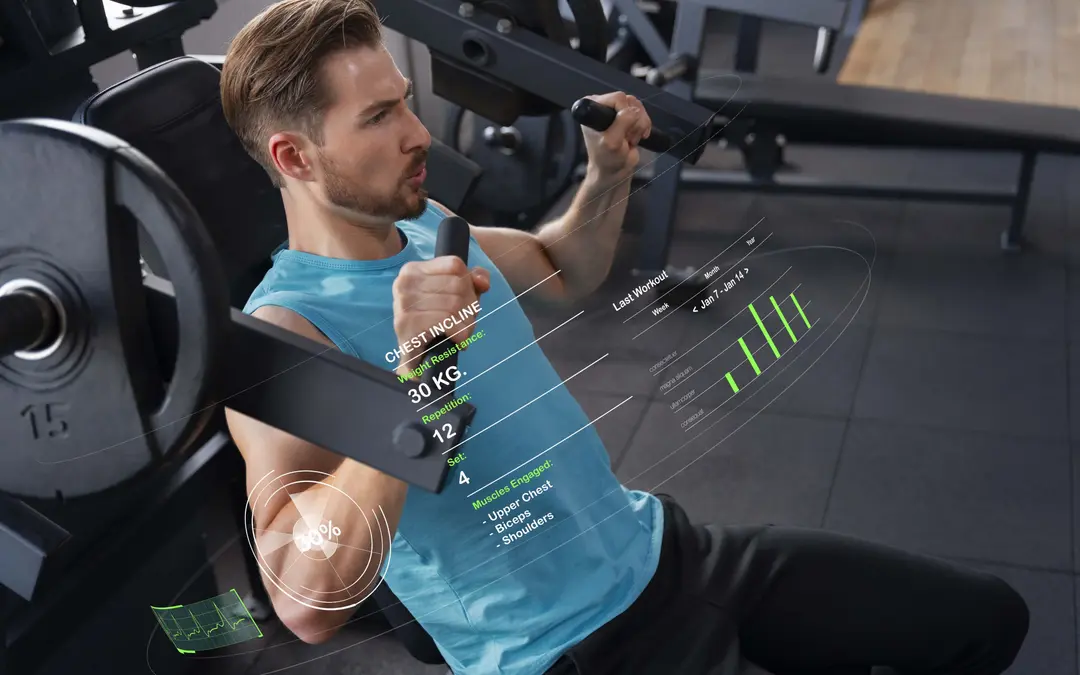
Fitness technology has changed the way people train. Gym members no longer need to guess their effort, progress or consistency. Smartwatches, fitness apps and tracking platforms can help users understand heart rate, workout frequency, sleep, recovery and performance. For anyone following a gym singapore routine, technology can make training more measurable and personalised.
The value of fitness technology is not in collecting endless numbers. Its value lies in helping people make better decisions. Data can show whether someone is training consistently, recovering well and improving over time.
Why Tracking Helps Gym Members
Many people rely on feelings alone to judge workouts. They may think a session was effective only if they sweat heavily or feel sore. This is not always accurate.
Wearables and apps provide more useful signals. They can show heart rate, workout duration, steps, calories burned, sleep patterns and training history.
These numbers are not perfect, but they can help members notice patterns. For example, someone may realise they train less during busy workweeks or sleep poorly after late-night sessions.
Heart Rate Tracking for Smarter Cardio
Heart rate tracking is useful during cardio workouts and classes. It helps members understand intensity.
A person may discover they are pushing too hard too often, or not challenging themselves enough. Heart rate zones can guide pacing during cycling, treadmill workouts, rowing or conditioning classes.
This makes cardio more intelligent. Instead of guessing effort, members can train with clearer feedback.
Strength Training Apps and Progression
Strength progress depends on overload and consistency. Apps can help users record exercises, weights, sets and reps. This makes it easier to progress over time.
Without tracking, many gym goers repeat the same workout without knowing whether they are improving. A logbook or app shows what was done last time and what can be improved next.
Progress may come from lifting more weight, doing more reps, improving form or reducing rest time. Tracking makes these improvements visible.
Wearables and Recovery Awareness
Modern wearables often track sleep, resting heart rate and recovery indicators. While these tools are not medical devices, they can encourage better awareness.
If sleep is poor and resting heart rate is elevated, a member may choose a lighter workout. If recovery looks strong, they may train harder.
This helps prevent the mistake of forcing maximum effort every day. Smart training includes recovery.
Apps Improve Habit Consistency
One of the biggest benefits of fitness apps is habit tracking. Apps can show how many workouts were completed in a week or month.
This matters because consistency is the foundation of results. A person may feel they train regularly, but the app may reveal gaps. Once the pattern is visible, it becomes easier to correct.
Reminders, booking systems and progress charts can all support better attendance.
Technology in Group Classes
Group fitness is also becoming more data-driven. Participants may use heart rate monitors, smart bikes or app-based tracking during classes.
This can make classes more engaging because members can see effort in real time. It also helps instructors and participants understand intensity.
However, the class experience should still feel enjoyable. Data should support the workout, not distract from movement and coaching.
Avoiding Data Obsession
Technology can be helpful, but too much focus on numbers can create stress. Fitness should not become a constant performance test.
Calories burned, sleep scores and recovery numbers are estimates. They should guide decisions, not control self-worth.
The best approach is to combine data with body awareness. If someone feels dizzy, overly tired or unwell, they should slow down regardless of what the device says.
The Future of Personalised Gym Training
Fitness technology will likely make gym training more personalised. Apps may help members choose workouts based on recovery, goals and past performance. Wearables may provide better feedback on intensity and progress.
This does not replace trainers or human coaching. Instead, it can support better conversations between members and coaches.
A smart gym routine combines technology, professional guidance and personal awareness.
Real-Life FAQs
Q. Do I need a smartwatch to train well?
Ans. No, but a smartwatch can help track effort, consistency and recovery if used sensibly.
Q. Are calorie estimates on fitness watches accurate?
Ans. They are estimates. Use them as a guide, not an exact measurement.
Q. What is the most useful thing to track?
Ans. Consistency, strength progress, heart rate trends, sleep and recovery are often more useful than calories alone.